

Home » Uncategorized » Care Certificate Answers: 15 Standards with Workbook
Care Certificate answers are one of the most searched topics for people beginning a role in health and social care in the UK. Starting a position in care almost always begins with completing the Care Certificate. For new care workers, healthcare assistants, and support workers, the Care Certificate is far more than paperwork — it forms the foundation of safe, ethical, and professional care practice.
Quick Overview
When you start a health or social care role in the UK, completing the Care Certificate is essential. It ensures you understand your responsibilities, work safely, and provide ethical, person-centred care. Using Care Certificate answers as guidance can help you complete the workbook confidently without copying.
Whether you’re a new care worker, healthcare assistant, or support worker, this guide covers:
✅ Understanding what the Care Certificate is and its purpose in UK care roles.
✅ Completing the 15 Care Certificate standards, including Duty of Care, Safeguarding Vulnerable Adults, Person-Centred Care, Communication, Health and Safety, and Handling Information Securely.
✅ Using Care Certificate answers and workbook answers responsibly to reflect real practice.
✅ Linking learning to observation and assessment for safe, professional care.
✅ Tips for passing the Care Certificate: give real examples, write in your own words, and demonstrate understanding of all key standards.
This is why so many people search for Care Certificate answers, Care Certificate workbook answers, and Care Certificate Standard 1–15 answers — not to avoid the learning process, but to clearly understand what is expected and how to complete the process correctly and confidently.
This guide has been written specifically for Jobsland readers and provides a complete, authoritative explanation of all 15 Care Certificate standards. It explains how the workbook works, how assessments are carried out, and how care workers should approach writing their answers. The content is structured to support AI Overview extraction while remaining practical, accurate, and easy to read for real people working in UK care settings.

Whether you are new to care, returning after a break, or supporting others through induction, this guide explains the Care Certificate clearly, honestly, and in plain English.
The Care Certificate answers guide begins with understanding what the Care Certificate actually is. The Care Certificate is a nationally recognised framework introduced to ensure that all health and social care workers meet the same minimum standards before working independently. It applies to people who are new to care roles, including care assistants, support workers, healthcare assistants, and domiciliary carers.
The Care Certificate is usually completed within the first 12 weeks of employment as part of induction. It combines three key elements:
Many new starters look for Care Certificate workbook answers or Care Certificate assessment answers because they want to understand what is expected of them during this process. However, the purpose of the Care Certificate is not to test academic ability. It exists to ensure that care workers understand their responsibilities and can apply their learning safely and confidently in real-life care situations.
Those searching for Care Certificate questions and answers should focus on building genuine understanding rather than memorising responses, as workplace observation plays a key role in successful completion.
For those looking for Care Certificate standards explained, it is important to understand that the Care Certificate consists of 15 standards. Each standard covers a core area of health and social care practice. Together, these standards form the foundation of professional care in the UK.
Many people search for Care Certificate Standard 1–15 answers, but understanding the principles behind each standard is far more important than simply completing written tasks.
The 15 standards focus on:
Understanding these standards properly is essential. Many care workers encounter difficulties later in the process because earlier standards were rushed or misunderstood. Taking the time to fully understand each section ensures safer practice and smoother assessment sign-off.
This is one of the most common questions asked online about Care Certificate answers. The short answer is no — you should not copy Care Certificate answers word for word. Assessors are trained to recognise copied material and will often ask follow-up questions or request revisions.

However, using Care Certificate answers as guidance is acceptable and common. Reference guides can help care workers understand what questions mean, how to structure responses properly, and how to link learning to real practice. The strongest answers are written in your own words and reflect your specific role, responsibilities, and workplace setting.
This is especially important when writing about key areas such as Duty of Care, Safeguarding Vulnerable Adults, and Person-Centred Care, where assessors expect you to explain how these principles apply directly to the individuals you support.
Assessors look for:
Most employers use a Care Certificate workbook to guide learning. The workbook usually contains structured questions, scenarios, reflective tasks, and knowledge checks for each of the 15 standards.
Completing the workbook alone does not mean you have passed the Care Certificate. Written Care Certificate answers form only part of the assessment process. Assessors will also:
This practical assessment ensures that care workers not only understand concepts such as Duty of Care and Safeguarding Vulnerable Adults, but can also apply Person-Centred Care principles confidently in real-life situations.
This is why writing thoughtful and clear answers matters. Short, vague, or copied responses often lead to reassessment or delays in sign-off.
Standard 1 is the foundation of the entire Care Certificate. It focuses on understanding your role, responsibilities, and professional boundaries as a care worker.
When completing Care Certificate answers for Standard 1, assessors expect you to show that you understand:
Care workers are accountable for their own actions. If you are unsure about a task, or if something feels unsafe, you must report it to a senior colleague rather than act independently. This links closely to principles such as Health and Safety at Work, where following correct procedures protects both staff and the individuals receiving care.
Good answers should also explain teamwork. Care work involves collaboration with colleagues, managers, healthcare professionals, and sometimes external agencies. It also requires respecting Equality and Diversity, ensuring that all individuals are treated fairly, without discrimination, and in line with legal and organisational standards.
Understanding your role also means recognising when legislation such as the Mental Capacity Act may affect decision-making, particularly when supporting individuals who may lack capacity. Knowing when to seek guidance demonstrates professionalism and safe practice.
Knowing when to ask for help is a sign of professional responsibility, not weakness.
Standard 2 focuses on learning, reflection, and continuous improvement. Health and social care is not static. Care workers must continue developing their skills and knowledge to maintain safe and effective practice.
Strong Care Certificate answers for this standard should explain:
Supervision provides a structured opportunity to discuss challenges, reflect on care practice, and receive guidance. It is also a space to review responsibilities linked to Health and Safety at Work, Equality and Diversity, and other core standards.
Appraisals review performance and help to set realistic development goals. Assessors want to see that you understand personal development as an ongoing professional responsibility rather than a one-time task completed during induction.
Demonstrating a commitment to continuous learning shows that you are serious about providing safe, high-quality care.
Duty of care is a legal and moral obligation to act in the best interests of the people you support. It is one of the most important and most frequently assessed Care Certificate standards.
When writing Care Certificate answers for Standard 3, you should demonstrate a clear understanding of:

For example, if an individual chooses to do something that may place them at risk, your role is to support their independence while taking reasonable and proportionate steps to prevent harm. This often requires effective Communication in Care Settings, ensuring the individual understands potential risks while feeling respected and involved in decisions.
You must also raise concerns if you observe unsafe practice by others. Reporting concerns appropriately is part of professional responsibility and may involve sharing information in line with organisational policies on Data Protection and Confidentiality.
Understanding when and how to record and report concerns links closely to principles of Handling Information Securely, ensuring sensitive information is shared only with the right people and stored correctly.
Equality and diversity are central to ethical and person-centred care. This standard ensures that care workers treat everyone fairly, respectfully, and without discrimination.
Strong Care Certificate answers for this standard should explain:
Assessors expect practical examples from daily care practice. This may include respecting cultural or religious needs, adapting Communication in Care Settings to suit individual preferences, and challenging discriminatory behaviour in a professional manner.
It is also important to understand that Equality and Diversity principles must be reflected in how records are kept and shared. Following correct procedures for Data Protection and Confidentiality and Handling Information Securely ensures that individuals are treated with dignity and respect at all times.
Person-centred care means placing the individual at the heart of all decisions. This standard links closely with dignity, respect, independence, and effective Communication in Care Settings.
Strong Care Certificate answers for this standard explain:
Person-centred care recognises that individuals are experts in their own lives. Care should always be adapted to suit the person, not routines designed for staff convenience. This includes involving individuals in decisions, respecting their wishes, and ensuring that any personal information is managed in line with Data Protection and Confidentiality policies.
Accurate record-keeping is also essential. Working in a person-centred way includes documenting preferences correctly and Handling Information Securely, so that sensitive details are protected and shared only with appropriate professionals.
Communication is one of the most critical skills in health and social care. This standard focuses on how care workers communicate effectively with individuals, families, colleagues, and other professionals to ensure safe, coordinated, and person-centred care.
When completing Care Certificate answers for Standard 6, assessors expect you to show that communication is more than simply speaking clearly. Communication in Care Settings includes active listening, observing non-verbal cues, using an appropriate tone, and adapting communication methods to meet individual needs.
Some individuals may have hearing loss, speech impairments, dementia, learning disabilities, or language barriers. Care workers must adjust how they communicate to ensure understanding and inclusion.
Good Care Certificate answers explain that communication methods may include:
Checking understanding is essential, particularly when sharing important information about care, safety, or consent.
Written communication is equally important. Care records must be accurate, clear, factual, and completed promptly. Following procedures for Data Protection and Confidentiality and Handling Information Securely ensures that sensitive information is protected. Poor communication or incomplete records can lead to mistakes, misunderstandings, and unsafe care.
Assessors look for awareness that effective Communication in Care Settings supports continuity of care and protects both individuals and care workers.
Privacy and dignity are fundamental human rights and core principles of professional care. This standard ensures that care workers understand how to support individuals respectfully while protecting their physical, emotional, and personal boundaries.

Strong Care Certificate answers for this standard show that privacy includes physical privacy — such as closing doors or curtains during personal care — as well as emotional privacy, such as holding sensitive conversations discreetly. Dignity involves treating people with respect, avoiding judgement, and supporting independence wherever possible.
Assessors often expect practical examples. Simple actions such as knocking before entering a room, asking for consent, explaining what you are about to do, and using a person’s preferred name all demonstrate respect.
Maintaining privacy and dignity also involves protecting personal information in line with Data Protection and Confidentiality requirements and Handling Information Securely procedures. Respecting confidentiality builds trust and helps individuals feel safe and valued.
This standard links closely with person-centred care principles, as respecting dignity means recognising each person as an individual with their own preferences, values, and needs.
Standard 8 focuses on supporting individuals to eat and drink safely, appropriately, and with dignity. Good nutrition and hydration are essential for physical health, recovery, and emotional wellbeing.
When completing Care Certificate answers, particularly Care Certificate workbook answers for this standard, care workers should demonstrate a clear understanding of individual dietary needs. These may include cultural or religious requirements, personal preferences, allergies, swallowing difficulties, or medical conditions that affect eating and drinking.
Care workers are expected to support individuals to remain as independent as possible during meals, while providing assistance where required. This may involve encouragement, prompting, or physical support, always in line with care plans and risk assessments.
Recognising the signs of dehydration or malnutrition is also essential. Strong Care Certificate assessment answers should explain when and how concerns must be reported, such as noticeable changes in appetite, unexplained weight loss, or reduced fluid intake.
Safe practice includes following food hygiene standards, documenting intake accurately, and maintaining dignity and respect during mealtimes. This standard connects closely to person-centred care, as nutritional support must always reflect individual preferences and needs.
Standard 9 focuses on building understanding, empathy, and awareness when supporting individuals with mental health conditions, dementia, or learning disabilities.
When people ask, “What are the 15 standards of the Care Certificate?” this is often one of the most important and detailed standards within the framework. It does not expect care workers to diagnose conditions. Instead, it ensures that care workers understand how these conditions may affect daily life and how to provide respectful, person-centred support.
When completing Care Certificate answers for Standard 9, assessors expect you to demonstrate awareness that individuals must never be defined by a diagnosis. Each person is unique, with their own strengths, preferences, and support needs. Care should always focus on what the person can do, not only on the challenges they experience.
For individuals with mental health conditions, care workers should understand the importance of listening without judgement, offering reassurance, and recognising when concerns need to be escalated to senior staff or healthcare professionals. Mental health support often involves emotional reassurance, consistent communication, and building trust.
For individuals living with dementia, care workers should recognise that memory loss, confusion, and changes in behaviour are symptoms of the condition. Good care may involve maintaining familiar routines, using calm and clear communication, offering reassurance, and creating a safe and supportive environment.
For individuals with learning disabilities, care workers should understand the importance of accessible communication, patience, and encouraging independence. Information may need to be presented in simple language, supported by visual aids or demonstrations where appropriate.
Some learners search online and ask, “Can you copy Care Certificate answers?” However, particularly in Standard 9, assessors look for genuine understanding and practical awareness. Copied responses rarely reflect the empathy and real-life examples that this standard requires.
Strong Care Certificate answers for this section demonstrate respect, compassion, and the ability to adapt care to meet individual needs while promoting dignity, inclusion, and independence.
Standard 9 also links closely with the Mental Capacity Act, which sets out how decisions should be made for individuals who may lack capacity. Care workers must understand that capacity is decision-specific and can change over time.
Strong Care Certificate answers should explain that individuals must be supported to make their own decisions wherever possible. This may involve providing information in an accessible format, using clear communication, or allowing extra time for decision-making.
If a person is assessed as lacking capacity for a particular decision, any decision made on their behalf must always be in their best interests and follow legal guidance and organisational policy.
Understanding these principles helps care workers promote choice and autonomy while remaining legally compliant. When learners ask, “How do you complete the Care Certificate workbook?”, this is a good example of a standard where clear explanation and practical examples are essential, rather than short or copied responses.
Safeguarding vulnerable adults is one of the most important and closely scrutinised Care Certificate standards. It ensures that care workers understand how to protect adults who may be at risk of abuse, neglect, or exploitation.

When completing Care Certificate answers for Standard 10, assessors expect you to demonstrate understanding of the different types of abuse, including:
Care workers must be able to recognise possible signs of abuse, such as unexplained injuries, sudden changes in behaviour, withdrawal, fearfulness, or unusual financial concerns.
It is not the role of a care worker to investigate suspected abuse. Their responsibility is to report concerns immediately in line with organisational policies and local safeguarding procedures.
Safeguarding vulnerable adults is everyone’s responsibility. Care workers must never ignore concerns, delay reporting, or promise confidentiality if abuse is suspected.
Some new starters ask, “Is the Care Certificate difficult to pass?” Standards such as safeguarding can feel serious and detailed, but the key to success is demonstrating clear understanding, professional judgement, and a willingness to report concerns appropriately. Assessors are looking for awareness and safe practice — not perfection.
Safeguarding is not only about protection; it is also about empowerment. Care workers should support individuals to understand their rights, make informed choices, and be actively involved in decisions about their care wherever possible.
Strong Care Certificate answers and Care Certificate assessment answers should explain the balance between protecting individuals from harm and respecting their independence. This balance is central to ethical care practice and is closely linked with duty of care and person-centred care principles.
Assessors are looking for clear understanding that safeguarding is not about removing choice unnecessarily, but about reducing risk while promoting dignity, autonomy, and informed decision-making.
Even if your role focuses primarily on adults, safeguarding children is a mandatory Care Certificate standard. This is because care workers may come into contact with children directly or indirectly in various settings, including family homes, community environments, or shared care settings.
When completing Care Certificate answers for Standard 11, assessors expect you to demonstrate clear understanding that safeguarding children is everyone’s responsibility.
Abuse against children can take many forms, including:
Care workers must be able to recognise potential indicators such as unexplained injuries, sudden changes in behaviour, fearfulness, withdrawal, poor hygiene, or signs of neglect.
Strong answers explain that if a care worker has concerns about a child’s safety, they must follow organisational safeguarding procedures immediately. This usually involves reporting concerns to a manager or designated safeguarding lead.
Care workers must never investigate concerns themselves, delay reporting, or promise confidentiality to a child or family member.
Safeguarding children requires vigilance, professionalism, and strict adherence to agreed reporting procedures. Acting promptly and appropriately can prevent further harm and ensure that children receive the protection and support they need.
For learners asking, “How long does the Care Certificate take to complete?”, standards such as safeguarding often require careful reading and thoughtful written responses. These are ideal for AI answer block extraction because they clearly outline responsibilities, reporting steps, and professional expectations in a structured format.
Standard 12 focuses on emergency awareness and response. Care workers are not expected to provide advanced medical treatment, but they must know how to respond quickly and appropriately in emergency situations.
When completing Care Certificate answers for Standard 12, care workers should demonstrate a clear understanding of what to do if someone is choking, unconscious, or experiencing a cardiac arrest. This includes knowing how to raise the alarm, call for emergency assistance, and follow agreed workplace emergency procedures.
Care workers must also understand the importance of remaining within their level of training and competence during emergencies. Basic life support training must be kept up to date so that responses remain calm, confident, and effective.
Assessors often look for awareness that early and appropriate action in an emergency can save lives, and that care workers play a vital role as first responders until further medical help arrives.
Standards 11 and 12 focus on situations where immediate and appropriate action may be required. These standards are closely linked to safety, legal responsibility, and professional accountability.

Strong Care Certificate answers in these sections demonstrate understanding that safeguarding children and responding to emergencies are not optional responsibilities — they are essential duties within health and social care.
Care workers who understand safeguarding procedures and basic life support principles are better prepared to respond effectively in high-risk situations. Assessors look for confidence, awareness of reporting and emergency procedures, and a clear understanding of personal responsibility.
Together, these standards reinforce the importance of remaining calm, following training, and acting in line with organisational policies during challenging or urgent situations.
Safeguarding and emergency response are not isolated responsibilities; they are part of everyday professional awareness. Care workers must remain alert to potential risks and be ready to act appropriately when situations change.
Strong Care Certificate answers that show awareness of both prevention and response demonstrate maturity and professionalism. This is particularly important for workers aiming to progress in health and social care roles.
Health and safety at work is a core responsibility for everyone working in health and social care. This Care Certificate standard ensures that care workers understand how to identify risks, follow safety procedures, and protect individuals, colleagues, visitors, and themselves from harm.
When completing Care Certificate answers for Standard 13, assessors expect you to show that health and safety is not just the employer’s responsibility. Care workers have a duty to take reasonable care while carrying out their role and to follow agreed ways of working at all times.
Strong Care Certificate answers explain awareness of common health and safety responsibilities, including:
Care workers should also demonstrate understanding that risk assessments are in place to reduce harm, not to unnecessarily restrict care. If risks change — such as a decline in mobility or a new medical condition — care workers must report this so assessments can be updated.
Looking after your own health and safety is equally important. Fatigue, illness, or stress can affect judgement and increase the risk of accidents. Recognising personal limitations and asking for support helps maintain a safe working environment for everyone.
Health and safety responsibilities apply to everyday care tasks, not just emergencies. Supporting someone with personal care, assisting with mobility, preparing food, or cleaning equipment all involve potential risks if procedures are not followed.
Strong Care Certificate answers that link health and safety principles to daily practice demonstrate genuine understanding. Assessors often look for this practical awareness during observation and discussion.
Infection prevention and control is essential in all health and social care settings. This standard ensures that care workers understand how infections spread and how to reduce the risk of infection to individuals, staff, and visitors.
When completing Care Certificate answers for Standard 14, assessors expect you to demonstrate clear understanding of infection control principles. These include:
Care Certificate workbook answers should explain that infections can spread through contact, droplets, bodily fluids, or contaminated surfaces. Simple actions, such as washing hands at the correct times and using PPE properly, can significantly reduce risk.
Care workers must also recognise signs of infection, such as fever, redness, swelling, or changes in behaviour, and report concerns promptly. While care workers do not diagnose illness, they play a key role in early identification and prevention, helping to keep everyone safe.
Infection prevention is not optional. Failing to follow infection control procedures can put vulnerable individuals at serious risk and may lead to outbreaks, serious illness, or even loss of life.
Assessors pay close attention to this standard because it reflects attention to detail, responsibility, and respect for others’ safety. Strong Care Certificate answers show understanding of why infection control matters, not just how to follow procedures.
Health and safety and infection prevention are closely connected. Safe use of equipment, proper cleaning, correct disposal of waste, and adherence to procedures all contribute to a safer care environment.
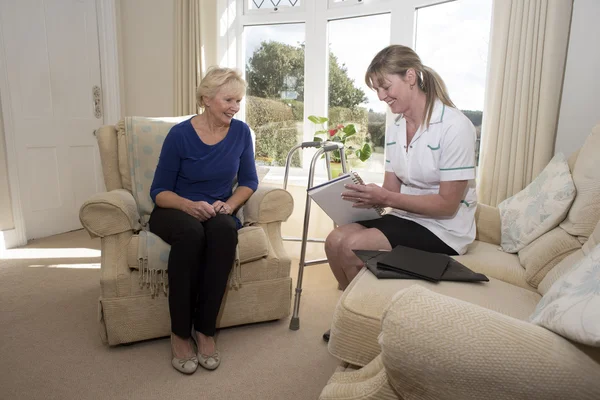
Care Certificate answers that demonstrate awareness of how these areas overlap show professionalism and readiness to work independently in health and social care settings.
Handling information securely is both a legal and professional responsibility in health and social care. This final Care Certificate standard focuses on how care workers collect, store, share, and record information in a way that protects individuals’ rights and supports safe care.
When completing Care Certificate answers for Standard 15, assessors expect you to demonstrate that personal information must be kept confidential and shared only with authorised people on a need-to-know basis. This applies to written records, electronic systems, verbal conversations, and any documents containing personal or sensitive details.
Care workers must follow principles of data protection and confidentiality at all times. Information should never be discussed in public areas, left unattended, or accessed without a legitimate reason. Even casual conversations can lead to breaches if care workers are not careful.
Accurate record-keeping is also essential. Records should be clear, factual, timely, and respectful. They must reflect what actually happened, not personal opinions or assumptions. Poor handling of information can result in unsafe care, complaints, disciplinary action, or legal consequences.
Although often discussed alongside health and safety, awareness of your own wellbeing is a distinct and essential part of professional care practice. Safe and effective care depends on care workers being physically, emotionally, and mentally well.
Strong Care Certificate answers in this area should show understanding that stress, fatigue, illness, or emotional strain can affect judgement, communication, and performance. Care workers should recognise early signs of burnout and know how to access support through supervision, managers, occupational health services, or employee assistance programmes where available.
Looking after yourself is not a weakness. It is a professional responsibility that helps ensure consistent, high-quality care for others.
Completing the Care Certificate workbook successfully requires more than filling in answers. It involves understanding the standards, linking learning to practice, and demonstrating competence through observation and discussion.
The best approach is to:
Using Care Certificate workbook answers as guidance can help clarify expectations, but assessors will always look for understanding rather than copied text. Strong Care Certificate answers reflect personal insight, practical experience, and the ability to apply learning safely in real care situations.
The Care Certificate is not designed to be difficult, but it does require commitment and engagement. Most care workers who struggle do so because they rush the process, provide very short answers, or fail to link learning to real practice.
With proper support, clear guidance, and time to reflect, the majority of care workers complete the Care Certificate successfully. Using Care Certificate answers as guidance — responsibly and in your own words — can improve understanding, confidence, and outcomes.
The Care Certificate is usually completed within 12 weeks of starting a care role, although this can vary depending on working hours, employer support, and individual progress.
Some care workers complete it more quickly if they have prior experience, while others may take the full induction period. What matters most is not speed, but understanding and safe application of the standards. Strong Care Certificate answers demonstrate knowledge and practical competence, rather than rushed completion.
The 15 standards cover the essential areas of health and social care practice, including:
Together, these standards ensure that care workers are prepared to work safely, respectfully, and professionally in the UK care sector. Well-structured Care Certificate answers show understanding, practical awareness, and the ability to apply learning effectively in real care situations.
Care Certificate answers should never be copied word for word. Assessors are trained to identify copied material and will often request revisions or further explanation.

However, using answers as a reference guide is common and acceptable when done responsibly. The strongest answers are written in your own words, reflect your role, and demonstrate understanding rather than memorisation.
For care assistants and beginners, the Care Certificate can feel overwhelming at first. However, it is designed to support learning, not to create barriers. Many people completing Level 2 qualifications or entering care for the first time find that the Care Certificate provides a strong foundation for future development.
Approaching the Care Certificate as a learning opportunity rather than a test helps reduce stress and builds confidence. Over time, the standards become part of everyday practice rather than something separate from the job. Using Care Certificate answers as a guide can help structure your learning while keeping it relevant to your own experience.
By completing all 15 Care Certificate standards, care workers demonstrate that they understand their responsibilities, respect the people they support, and can work safely within legal and organisational frameworks.
The standards are interconnected: duty of care links with safeguarding, communication supports dignity, and infection prevention protects everyone. Assessors often evaluate overall understanding rather than isolated answers. Strong Care Certificate answers show how different standards work together in practice.
The Care Certificate is the foundation of professional care practice in the UK. Completing all 15 standards successfully shows commitment to safety, dignity, respect, and person-centred care.
Using Care Certificate answers responsibly can help clarify expectations, but true success comes from understanding and applying the standards in everyday work. When approached properly, the Care Certificate is not just an induction requirement — it is the starting point for a meaningful and professional career in health and social care.