

Home » Uncategorized » How Long Does It Take to Become a Gas Engineer in the UK? Training Duration, Certification, and Career Timeline
If you’re wondering how long does it take to become a gas engineer, there is a strong chance that entering this field is one of the most reliable, well-paid, and future-proof career paths in the UK right now. This is due to the continual shift in the energy landscape, the retirement of older engineers, and the growing demand for gas-related services and installations. If you are considering a career change or stepping into the trades for the first time, one of the first questions you are likely to have is: How quickly can I become a gas engineer?
To answer this, the timeline varies based on your training route, your availability, and whether you are already employed in the industry. Some people qualify in as little as 12 months, while others take 18–36 months, particularly if they choose an apprenticeship. If you are wondering how long do gas engineers take to fully qualify, the truth is that the overall steps remain largely the same regardless of the pathway: learning the fundamentals, gaining hands-on gas experience, completing your assessments, and finally enrolling on the Gas Safe Register.
Quick Overview
If you’re considering a career in gas engineering, knowing the timeline and steps is essential. Becoming a Gas Safe–registered engineer builds a reliable, well-paid, and future-proof career in the UK. You’ll learn why training, portfolio building, ACS assessments, and Gas Safe registration are critical, and how each route affects how long it takes to become a gas engineer, a gas fitter, or get your gas certificate.
Whether you’re a complete beginner or switching careers, this guide walks you through:
✅ How long it takes to become a gas engineer, a gas fitter, or complete a gas cert.
✅ Training steps: theory, practical work, portfolio building, ACS assessment, and Gas Safe registration.
✅ Career progression, earning potential, and industry demand in the UK.
✅ Choosing the fastest route: fast-track courses vs apprenticeships.

This guide walks you through the entire journey — from training duration to certification, practical placements, British Gas pathways, gas fitter timelines, and how long each qualification realistically takes. By the end, you will have a clear picture of what to expect and how to plan your career path effectively.
If you are researching how long does it take to become a gas engineer, the answer is that it typically takes between 6 months and 3 years to qualify in the UK. The route you choose determines the exact timeline:
Regardless of which route you follow, every pathway requires completing theory training, gaining supervised experience with a qualified gas engineer, passing the practical evaluations, and enrolling on the Gas Safe Register — the legal requirement for anyone working on gas appliances in the UK.
If you want to complete your qualifications in the shortest possible timeframe, a fast-track MLP is the quickest structured route. However, you’ll still need to commit to gaining supervised experience and passing the necessary ACS assessments. This is why when people ask how long do gas engineers take to become fully qualified, the answer depends partly on how quickly they can build their on-site portfolio.
If your focus is specifically How quickly can I become a gas engineer, the fastest route is generally 6 to 10 months. Here’s a realistic breakdown:
Once these steps are finished, you will be legally qualified to work as a gas engineer in the UK. This accelerated pathway is very popular with adults changing careers, as it offers a clear and efficient route into the trade. However, the speed at which you gain real-world experience also matters, as it plays a major role in building confidence and securing employment once qualified.
If you’re researching how long does it take to become a gas engineer, the training itself typically takes an average of 12 to 26 weeks, depending on whether you study full-time or part-time. The training is split into several stages, and the process looks like this:
During this stage, you will learn about key topics such as:
This part of the training is essential for your safety and for protecting the households you’ll eventually work in.
In a simulated environment, you will practise tasks such as:
This practical period helps you build confidence before entering real workplaces.
Working with a Gas Safe–qualified engineer, you will gather evidence of your competency during your first supervised jobs. You will be required to complete tasks such as:

You must meet all portfolio standards before you can be booked in for your ACS assessments.
This stage involves both practical and theoretical exams. Once passed, you can apply for your Gas Safe registration and officially begin working.
When people ask how long do gas engineers take to qualify, they normally want the full journey from zero experience to becoming a registered professional. The overall timeline depends on the training route you choose:
Each route has its own advantages and challenges. Apprenticeships take the longest but provide strong structure and employer involvement. Fast-track training is the quickest option and often appeals to career changers, especially those wondering How quickly can I become a gas engineer, but it requires strong motivation to secure portfolio placements.
If you are researching How long does it take to become a British Gas engineer, British Gas remains one of the largest and most recognised employers of gas engineers in the UK. Their training programme is highly structured, thorough, and well respected within the industry.
For those wondering How long does it take to train as a gas engineer in the UK through British Gas specifically, the pathway usually takes 12–18 months, which includes:
British Gas places a strong emphasis on real-world experience and competence, ensuring trainees gain the skills and confidence required before working independently.
If you are exploring how long does it take to become a gas engineer, it helps to know that the terms gas fitter and gas engineer are often used interchangeably. However, gas fitters generally focus more on installing gas pipes and associated pipework. The qualification route, though, is the same:
So, the total time to become a gas fitter is typically 6–18 months, depending on the training pathway chosen.
Gas certificates refer to things like:
A typical property inspection takes 20–60 minutes, depending on the number of appliances. The certificate is issued the same day.
This part isn’t about becoming an engineer — it’s simply how long a registered engineer takes to carry out certification.
If you’re trying to understand how long does it take to become a gas engineer, it’s helpful to view the journey as a realistic timeline from complete beginner to fully registered professional. Although everyone progresses at their own pace, the following breakdown gives you a clear idea of How long does it take to train as a gas engineer in the UK when starting from zero experience.
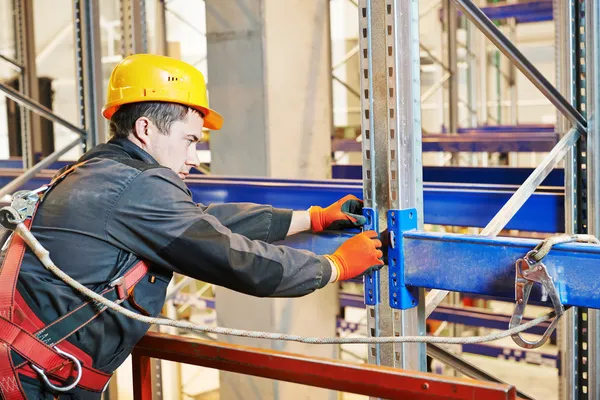
You begin learning the essentials: gas safety, the law, combustion, legislation, heating systems, and core principles. This first stage focuses on building a solid foundation, and it can take place in a college, a private training centre, or as part of an apprenticeship.
This stage combines theory with controlled practical sessions. You’ll practise boiler installations, pipework testing, appliance safety, flue checks, and various safety procedures. At this point, you start connecting the theory with practical competence.
This is often the most important part of the journey. Under the supervision of a Gas Safe engineer, you work in real homes and environments while documenting your evidence of competence. Your portfolio typically includes installations, servicing, flue checks, safety procedures, and tightness testing.
For some learners, portfolio building takes 3–4 months; for others, it can take 6–12 months, depending on placement availability and pace of work.
At this stage, you take your ACS (Accredited Certification Scheme) exams, which test everything you’ve learned. The assessment includes practical tasks and written elements. After passing, you become eligible to register with Gas Safe.
Congratulations! Once you receive your Gas Safe registration, you are legally allowed to work independently or for a gas service provider within the UK. From this point onwards, you are officially a fully qualified gas engineer.
The good news is that you do not need A-levels, a degree, or any past trade experience to start training to be a gas engineer. Many newcomers begin their journey after wondering how long does it take to become a gas engineer, and most come from backgrounds such as:
Training providers usually require candidates to be:
You can start in your 20s, 30s, 40s, or even 50s — it’s a career accessible to people at almost any stage of life.
Many people comparing these pathways are trying to understand how long does it take to become a gas engineer and which option gets them qualified quickest. Both routes lead to the same end qualification, but the timelines differ significantly.
For adults wishing to retrain quickly, this is usually the best option. You study at your own pace, work intensively through the course, and move into portfolio building as soon as you are ready — ideal for anyone asking How long does it take to train as a gas engineer in the UK when choosing the fastest possible route.
Advantages:
Challenges:
With an apprenticeship, you earn a wage while working and studying at the same time. This route is often preferred by younger learners or those who want structured, employer-led training.

Advantages:
Challenges:
If speed is your top priority, then fast-track and Managed Learning Programmes are the quickest options. Those looking into How long does it take to become a British Gas engineer should note that British Gas programmes also fall toward the longer end, typically around 12–18 months, due to their structured and thorough approach.
Every year, thousands of new engineers start their careers with no experience, and you can, too! Many people begin this journey by first asking how long does it take to become a gas engineer or How long does it take to be a gas fitter, and the answer depends on how quickly you progress through the required steps.
This is how most beginners start:
This is the recommended training route for newcomers, as it provides structured theory, practical training, and formal evaluations. It is also the first step for anyone wondering How long does it take to become fitter in the gas industry.
You will shadow a licensed Gas Safe engineer on real jobs while completing supervised tasks yourself. Training providers and local engineers will help you gather the evidence needed for your portfolio.
Passing your ACS assessment qualifies you to work safely and legally on gas systems. It is a crucial requirement before you can register with Gas Safe.
This is your formal Certificate of Competence. Once registered, you can work independently, join a company, or even start your own gas business.
Many engineers choose to expand their skills with additional qualifications such as:
Each qualification strengthens your career and opens new opportunities in the gas industry.
Many people researching how long does it take to become a gas engineer also want to understand the financial commitment involved. Becoming a gas engineer is often described as one of the best long-term career investments you can make. Course costs vary, but typical UK prices look like this:
Although the initial investment may seem significant, most new engineers make their money back quickly due to excellent job opportunities and a strong financial outlook within the industry. This is true whether someone plans to be a domestic engineer or is asking How long does it take to be a gas fitter or How long does it take to become fitter for installation-focused roles.
Gas engineers are in high demand throughout the UK. From small heating companies to major employers like British Gas, there is a consistent need for boiler installations, servicing, and gas safety work.
Even with the UK shifting towards greener and renewable energy sources, gas engineers are still essential for:
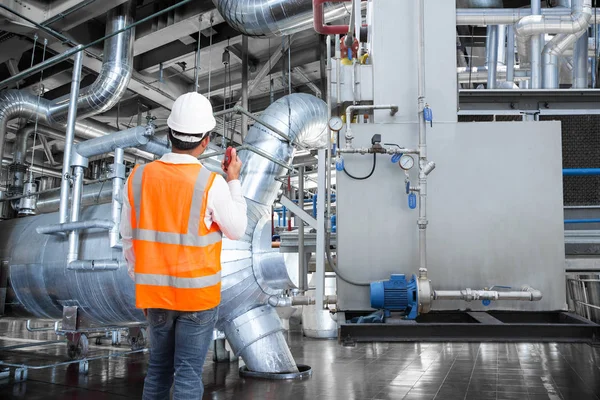
With many senior engineers nearing retirement, the demand for new engineers has never been greater.
Understanding the daily responsibilities helps you visualise what the job actually involves. The role requires technical skills, problem-solving, customer communication, and a strong focus on safety.
Typical daily tasks include:
In domestic work, you might handle boiler breakdowns, part replacements, annual inspections, and system troubleshooting. In commercial roles, you may work on large heating systems in offices, warehouses, hospitality venues, and industrial buildings. Across all environments, safety and compliance with Gas Safe regulations remain your top priority.
Customer interaction is a key part of the role. You will explain repairs, give time estimates, and provide aftercare, making communication skills essential. This career suits someone who enjoys hands-on tasks, problem-solving, and work that changes from day to day rather than being repetitive.
Becoming a gas engineer is more than just passing exams or assessments. It’s about gaining the practical skills and knowledge required to perform the job safely and confidently. Many of these skills come with experience, but most can be learned through structured training and practice. Those asking how long does it take to become a gas engineer, How long does it take to be a gas fitter, or How long does it take to become fitter should understand that skill development is as important as formal qualifications.
Understanding safety systems is a core part of training. These skills are developed through your Managed Learning Programme (MLP), ACS assessment, and portfolio work.
Heating systems can present complex problems that are not immediately obvious. Being able to diagnose issues efficiently and accurately is one of the most critical skills for a competent engineer.
Gas work requires practical abilities such as using tools, performing hands-on installations, and fitting pipes and seals in tight spaces.
Even a small error can cause major safety issues. Gas engineers are trained to work methodically, double-checking every step to ensure safety and compliance.
Explaining problems and solutions, providing cost estimates, and reassuring homeowners are essential. Friendly and clear communication helps build trust and encourages repeat business.
Many engineers work alone for most of the day. This requires self-motivation, organisation, and the ability to remain calm under pressure.
New technologies such as hydrogen-ready boilers, hybrid systems, heat pumps, and smart thermostats are constantly emerging. Engineers who are willing to continually update their skills can earn more and avoid obsolescence.
These skills are developed through both training and practical experience. While qualifications are important, mastering these abilities is essential to becoming a confident and successful gas engineer. For those wondering how long does it take to become a gas engineer or How long does it take to be a gas fitter, remember that skill acquisition continues throughout your career, making learning a lifelong process.
Gas engineering offers a good work-life balance with a mix of stability and flexibility. Full-time engineers typically work between 35 and 45 hours a week, depending on the company or whether they are self-employed. Many start their day early, and during the winter months, some are accustomed to working longer hours to respond to heating emergencies.
Some of the tasks you might carry out in your role include:
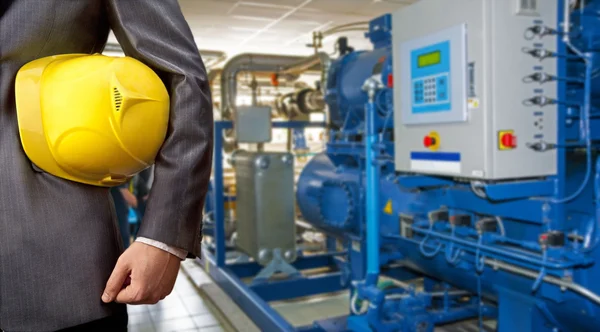
Self-employed engineers often have more flexibility, as they can choose when and how much to work. Some opt for a four-day workweek, while others take on extra jobs to earn more. Additional income is also possible by handling weekend work or nighttime emergency calls.
Gas engineering is ideal for people who enjoy working outdoors, meeting new people, and finding practical solutions to problems. For those considering a career in the trades, understanding how long does it take to become a gas engineer is an important first step in planning your career path and lifestyle.
Gas engineering is a career that continues to expand once you become Gas Safe registered. Over time, you can move into more advanced roles and enjoy higher pay. Many people considering this career often ask how long does it take to become a gas engineer, How long does it take to be a gas fitter, or How long does it take to become fitter, and understanding the career timeline helps in planning your progression.
In your first year, you focus on building confidence while servicing and repairing domestic systems. You will also start learning from senior engineers and gaining practical experience in real-world environments.
By this stage, you can handle installations, breakdowns, and more complex repairs independently. You may also begin pursuing additional qualifications to specialise in certain areas of gas work.
At this point, you can choose to focus on specialist areas, such as:
Salaries typically increase significantly as you gain these advanced skills.
With commercial gas qualifications (e.g., COHN1, CORT1), you can work on large commercial systems in offices, schools, industrial sites, and other environments. Many engineers also cross-train in plumbing or electrical work to become multi-skilled, increasing both versatility and earning potential.
Experienced engineers may choose to start their own heating or gas company, hire apprentices, or subcontract to larger firms. This route often offers the highest income potential and full control over working hours and projects.
Understanding this timeline helps answer questions about how long does it take to become a gas engineer, How long does it take to be a gas fitter, and How long does it take to become fitter, giving a realistic picture of career progression in the UK gas industry.
For those asking how long does it take to become a gas engineer, it typically takes around 2–3 years to become fully confident dealing with the variety of boilers, faults, and installations encountered once you are fully qualified and Gas Safe registered.
To become an advanced engineer or a specialist in fault finding, it is recommended to work in the field consistently for 3–5 years.
Additional qualifications, such as commercial gas or renewable energy certifications, may take another 6–12 months of classroom and practical learning. These qualifications can significantly increase your earning potential.
Earnings depend on your experience, skill level, and how much work you take on. Gas engineering is one of the most secure and well-paid trades in the UK.
Typical earnings estimates include:
Gas engineering allows for a comfortable income and the option to be self-employed, which is a major reason this field is so desirable. For those wondering How long does it take to be a gas fitter or How long does it take to become fitter, it’s worth noting that career progression and earnings grow steadily with experience, additional qualifications, and practical skill development.
Overall, engineers in the UK often earn above the national average within their first few years, making this a highly rewarding career path both financially and professionally.
If your goal is to complete your gas engineering qualification in the shortest possible time, there is a way to accelerate your learning without compromising the quality of your training. For anyone asking how long does it take to become a gas engineer, or how long does it take to train as a gas engineer in the UK, following a structured and proactive approach is key.

One of the best ways to learn faster is to be consistent. Set a regular study and practice routine to reinforce your knowledge. Most trainees grasp technical concepts like combustion, gas pressure, ventilation, and legislation more effectively when they take clear notes and review them regularly.
Underestimating the importance of portfolio building is a common issue for new entrants. Gathering evidence for your portfolio can take time, so it is best to secure a placement as early as possible—ideally before completing your centre-based practical training. This can be with local Gas Safe engineers, heating companies, or boiler service providers. During busy winter months, many engineers welcome extra assistance.
Using modern digital portfolio systems can significantly speed up the process. Uploading documents, photos, pressure test results, appliance checks, and mentor signatures digitally keeps everything organised and allows assessors to review your work more efficiently.
Being proactive on-site is also crucial. If you do not fully understand a task, ask questions. Learner engineers who show initiative are often well-respected, and gaining confidence quickly accelerates your learning.
Delays are often caused by lack of supervised work, which prevents trainees from gathering enough evidence to sit their ACS assessment. Other common delays include inconsistent engagement with training, working at a slower pace, or taking long gaps between sections. Disorganisation in your portfolio—such as missing signatures or unclear evidence—can also extend your timeline.
Finally, choosing a reputable training provider can save months of time. High-quality centres assist with placements, portfolio guidance, and practical support, whereas lower-quality providers may leave you to navigate the process on your own.
By staying organised, proactive, and consistent, you can significantly reduce the time it takes to complete your training and answer the question How long do gas engineers take? efficiently and realistically.
Your portfolio is one of your most important qualifications. It demonstrates to Gas Safe and your assessor that you are capable of performing your work safely and competently. For anyone wondering how long does it take to become a gas engineer, building your portfolio efficiently is a key factor in speeding up the process.
To start, you should follow a Gas Safe engineer who undertakes a variety of work, such as boiler installations, breakdowns, servicing, and landlord certificates. The more variety in experience you gain, the more evidence you can collect in a shorter time. Communicate clearly with your mentor about the tasks you plan to complete—most engineers appreciate clarity and will assist you in ensuring you get suitable portfolio work.
Every job requires documentation in the form of photos, notes, and readings, including:
Label all details clearly, including the type of job, date, location, and your entries. This prevents unnecessary back-and-forth later and keeps your portfolio organised.
Plan your work so that you complete as much documentation as possible efficiently. Regular communication with your assessor or training provider is also crucial. If you are unsure whether a job counts as suitable evidence, ask for clarification. A simple confirmation can save you weeks of time and effort.
After completing your portfolio, your assessor will review it to determine if you are ready to take the ACS assessment. This step is the final approval of your learning phase, after which you can begin your professional career. For those asking How long do gas engineers take to complete this phase, a well-planned portfolio can significantly shorten the timeline.
Once Gas Safe registered, you can work independently. Many new engineers, however, prefer to gain more experience by joining a company as an employee. This helps build confidence and develops practical skills while adapting to the pace of real-world work.
Local heating companies are often ideal starting points. Smaller firms hire new engineers frequently to train them on their systems and methods. Larger national companies, such as British Gas, also recruit newly qualified engineers and provide structured training programmes.
When applying, highlight all practical work completed during portfolio building, the different appliances you have worked on, and any additional skills, such as customer service, plumbing, or electrical work. These demonstrate your capability to employers and strengthen your profile.
If you plan to pursue self-employment, start with smaller jobs such as annual gas safety checks, servicing, and boiler diagnostics. As your confidence grows, you can take on installations and more complex work. Reputation is crucial in the trade—engineers often rely on customer referrals, online reviews, and local advertising to build their business.
For those wondering how long does a gas cert take, keep in mind that completing your portfolio efficiently and gaining practical experience are key factors in reducing the time to full qualification.
Choosing the right training centre is essential for reaching your career goals. The wrong centre can result in delays, confusion, and an extended timeline to qualification. Here are some red flags to watch for when selecting a training provider:

A reputable centre will be transparent and supportive, guiding you from enrolment all the way through to Gas Safe registration. Knowing how long do gas engineers take to qualify can help you plan your training effectively and avoid unnecessary delays.
If you are seeking a secure and stable career in gas engineering in the UK, this is an excellent choice, with the potential to qualify in as little as 6–12 months through fast-track programmes. Apprenticeships, while longer, remain a valuable option for younger learners seeking funded training.
Regardless of your route, the steps are consistent: education and training, practical work, portfolio building, ACS assessment, and Gas Safe registration. Understanding how long does a gas cert take is part of preparing for this journey.
The role offers a strong combination of stability, high income, and long-term job availability. Opportunities range from domestic boiler engineering to commercial heating and renewable technologies. Whether your goal is self-employment, working for a company, or running a heating business, gas engineering provides real independence.
If you are ready to learn a trade that offers autonomy, respect, and high job security, gas engineering is the path to take. With the right training, even those with no prior experience can start their journey today.