Anxiety is a common human experience, a natural response to stress that, when prolonged or severe, can significantly impact job performance and overall well-being for UK professionals and job seekers. Understanding anxiety involves recognising its symptoms, exploring effective management strategies, and leveraging available support and emerging treatments to foster a healthier and more productive working life. This guide offers insights into what anxiety entails, how it manifests in the workplace, and practical steps for managing it effectively in 2026.
Key Takeaways
Anxiety is Widespread: Many UK professionals and job seekers experience anxiety, from mild stress to clinical disorders, impacting daily life and career prospects.
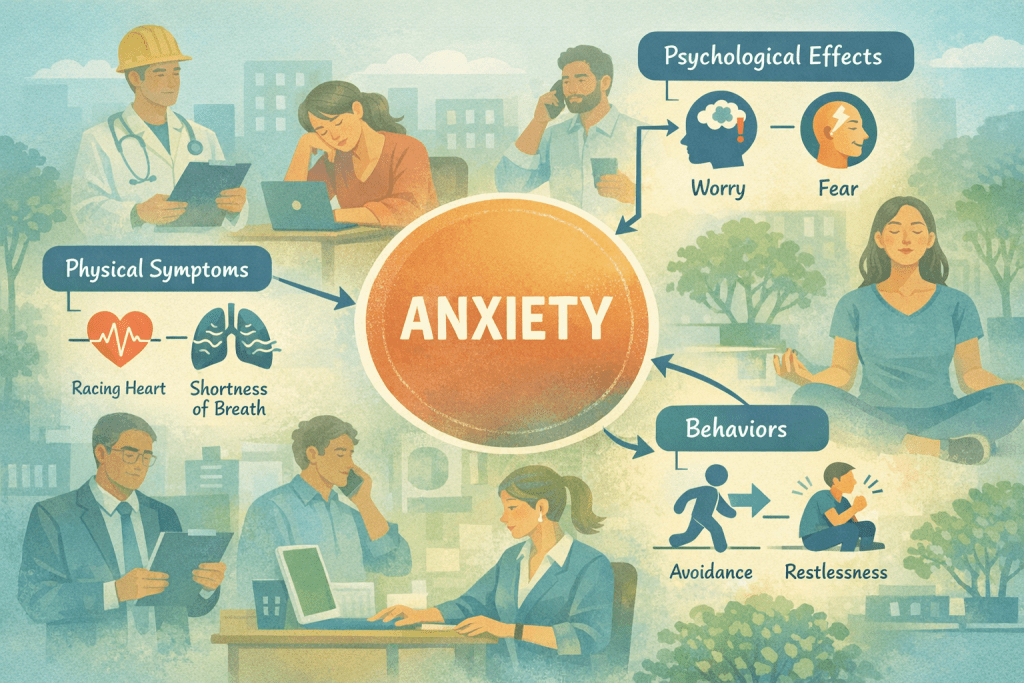
Recognise Symptoms: Anxiety manifests through physical, emotional, and cognitive symptoms such as restlessness, difficulty concentrating, irritability, and muscle tension.
Seek Support: Professional help, including therapy (CBT) and medication, is crucial for managing more severe forms of anxiety.
Leverage UK Resources: The NHS, charities, and private practitioners offer various support pathways, including talking therapies and mental health services tailored for working adults.
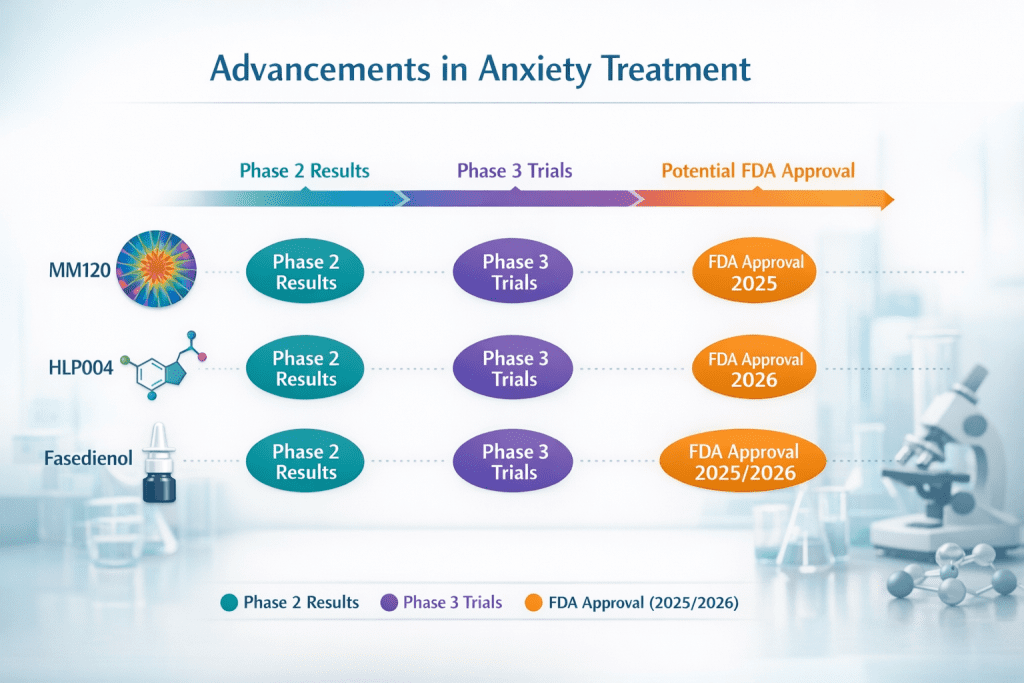
Emerging Treatments: Significant advancements in anxiety treatments, including novel psychedelic-derived therapies (MM120, HLP004) and rapid-acting nasal sprays (Fasedienol), are set to reshape care in 2026 and beyond.
Holistic Approach: A combination of lifestyle adjustments, mindfulness, workplace accommodations, and professional support offers the most effective route to managing anxiety.
Career Impact: Unmanaged anxiety can affect job performance, career progression, and job satisfaction, but proactive management can lead to greater resilience and success.
Proactive Steps: Developing coping skills, setting boundaries, and fostering open communication with employers are vital for maintaining mental well-being at work.
What is Anxiety and How Does it Affect UK Professionals?
Anxiety is a feeling of unease, worry, or fear, ranging from mild to severe, often triggered by stressful situations such as job interviews, performance reviews, or heavy workloads in the UK workplace. For professionals, it can manifest as excessive worry about job security, difficulty making decisions, or persistent feelings of dread about work-related tasks, profoundly impacting productivity and job satisfaction.
While some anxiety is a normal and even helpful response (e.g., motivating preparation for a presentation), persistent or overwhelming anxiety can indicate an anxiety disorder. In the context of a UK professional’s life, this can look like a constant low hum of worry about meeting targets, fear of public speaking in client meetings, or even physical symptoms like an upset stomach before a big deadline. Left unaddressed, anxiety can lead to burnout, reduced performance, and career stagnation. It is crucial for job seekers and working professionals to understand the various ways anxiety can impact their lives, from interfering with interview performance to affecting daily team interactions.
Understanding the Spectrum of Anxiety
Anxiety isn’t a single condition but a spectrum of experiences. Here’s how it generally breaks down:
Normal Anxiety: This is the occasional worry or nervousness about specific events, such as a big presentation or an important job interview. It’s usually temporary and proportional to the situation.
Generalized Anxiety Disorder (GAD): Characterized by persistent and excessive worry about everyday things, even when there’s no clear reason for concern. This can include worries about finances, health, or work performance, significantly impacting a professional’s daily life [1].
Social Anxiety Disorder: Intense fear of social situations, often leading to avoidance. For professionals, this might mean dreading team meetings, networking events, or client interactions.
Panic Disorder: Repeated, unexpected panic attacks, which are sudden periods of intense fear that come with severe physical symptoms like chest pain, shortness of breath, and dizziness.
Specific Phobias: An intense, irrational fear of a specific object or situation (e.g., claustrophobia in an office lift, fear of flying for work travel).
Anxiety can affect anyone, regardless of their position or industry. For example, a senior manager might experience performance anxiety, while a new graduate could struggle with social anxiety in a new team environment. Recognising these patterns is the first step towards effective management.
What are the Skills and Behaviours for Managing Anxiety in a Professional Setting?
Effectively managing anxiety in a professional setting requires a blend of self-awareness, emotional regulation, communication skills, and practical coping mechanisms. Developing these skills helps individuals not only mitigate the impact of anxiety but also build resilience and maintain professional effectiveness.
1. Self-Awareness and Emotional Intelligence: The ability to recognise the early signs of anxiety and understand its triggers is fundamental. This includes identifying physical sensations (e.g., racing heart), thoughts (e.g., catastrophic thinking), and emotional shifts (e.g., irritability). Developing emotional intelligence allows a professional to understand their own feelings and those of others, fostering better self-management and interpersonal relations.
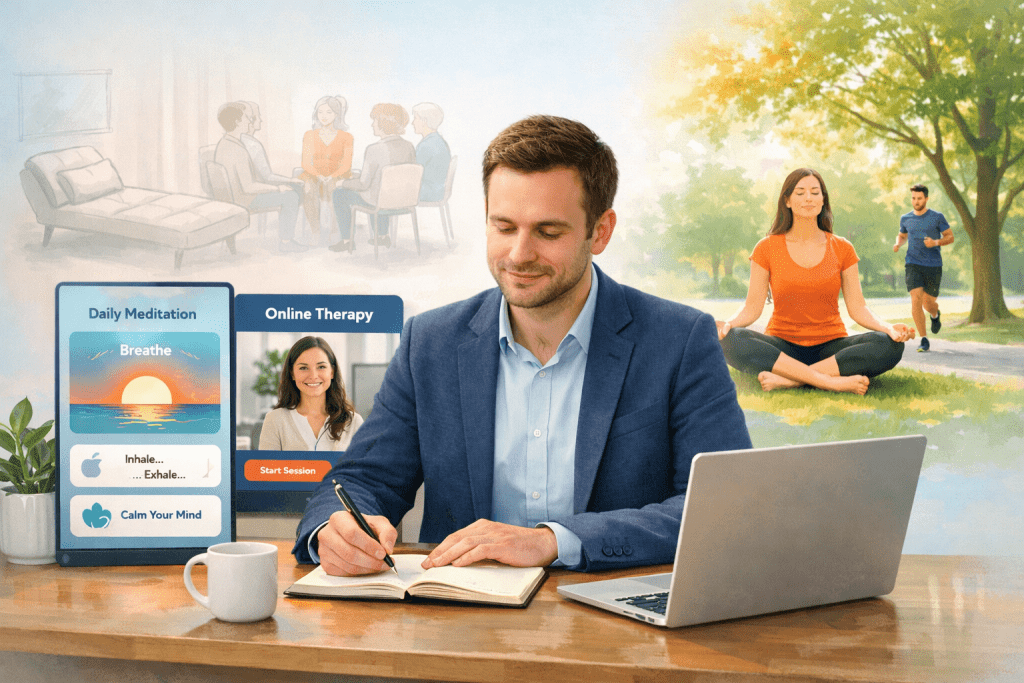
Practice Self-Monitoring: Keep a journal to track anxious thoughts, situations, and physical reactions. This helps pinpoint patterns and triggers.
Body Scan Meditation: Regularly check in with your body for signs of tension or discomfort, allowing for early intervention.
2. Stress Management Techniques: Professionals need a repertoire of techniques to calm their nervous system and manage acute stress responses. These techniques are often learned and honed over time.
Mindfulness and Meditation: Engaging in short mindfulness exercises or meditation can help ground individuals, reducing rumination and promoting a sense of calm. Apps like Headspace or Calm offer guided practices.
Deep Breathing Exercises: Techniques like diaphragmatic breathing can quickly activate the parasympathetic nervous system, counteracting the “fight or flight” response.
Progressive Muscle Relaxation: Tensing and relaxing different muscle groups can help release physical tension associated with anxiety.
3. Effective Communication Skills: Being able to articulate feelings and needs is vital, especially when seeking support from colleagues or managers.
Assertiveness: Learn to communicate boundaries, say “no” to additional tasks when overwhelmed, and express concerns clearly without aggression.
Active Listening: Improves understanding in discussions, reducing misunderstandings that might fuel anxiety.
Seeking Support: Be prepared to discuss your anxiety with HR or your manager if workplace accommodations or adjustments are needed. For example, a request for a flexible working arrangement might be supported by open communication.
4. Time Management and Organisation: Poor organisation can exacerbate feelings of being overwhelmed. Strong organisational skills provide a sense of control and reduce last-minute panic.
Prioritisation: Use techniques like the Eisenhower Matrix to distinguish between urgent/important tasks.
Breaking Down Tasks: Large projects can feel daunting. Divide them into smaller, manageable steps to reduce feelings of overwhelm.
Setting Realistic Deadlines: Avoid overcommitting and ensure ample time for tasks, building in buffers for unexpected delays.
5. Problem-Solving Abilities: Anxiety often stems from a fear of the unknown or an inability to cope with perceived challenges. Developing strong problem-solving skills empowers individuals to tackle difficulties systematically.
Identify the Core Issue: Clearly define what is causing the anxiety.
Brainstorm Solutions: Generate multiple potential solutions without immediate judgment.
Evaluate and Implement: Weigh the pros and cons of each solution and choose the most viable one.
Common Mistake to Avoid: A common mistake is self-isolating and bottling up anxious feelings. While it might feel protective in the short term, isolation can worsen anxiety and prevent individuals from accessing crucial support. Instead, actively seek out trusted colleagues, friends, or family members to share your experiences with, or consider professional guidance.
What UK Qualifications, Training Pathways, and Support are Available for Anxiety Management?
In the UK, a range of qualifications, training pathways, and robust support systems are available to help individuals manage anxiety, from self-help resources to advanced clinical interventions. These pathways cater to different levels of need and preferences, ensuring professionals and job seekers can find appropriate assistance in 2026.
Formal Qualifications and Training for Mental Health Professionals
While most individuals will seek treatment rather than become practitioners, understanding the landscape of professional support can help identify credible help. Professionals who wish to specialise in supporting others with anxiety might pursue:
Counselling and Psychotherapy Qualifications: Courses like a Diploma in Therapeutic Counselling (Level 4) or a Master’s in Psychotherapy are common pathways. These equip practitioners with the skills to deliver talking therapies effectively.
Clinical Psychology Doctorate (DClinPsy): For those aspiring to work in the NHS or private practice as a clinical psychologist, this rigorous doctorate is essential, providing expertise in psychological assessment and intervention for mental health conditions, including anxiety disorders.
Psychiatric Nursing: A nursing degree followed by specialisation in mental health nursing enables professionals to work with individuals experiencing a wide range of mental health issues, including severe anxiety.
Training Pathways for Personal Anxiety Management
For individuals seeking to manage their own anxiety, there are numerous accessible training and support options:
NHS Talking Therapies (IAPT Services):
What it is: The “Improving Access to Psychological Therapies” (IAPT) programme offers evidence-based talking therapies, primarily Cognitive Behavioural Therapy (CBT) and counselling, for common mental health problems like anxiety and depression.
How to access: You can refer yourself directly without needing a GP appointment. Search “NHS IAPT” online with your postcode to find local services.
Benefit: Services are free at the point of use and widely available across the UK.
Online Courses and Apps:
What it is: Many platforms offer online CBT courses, mindfulness programmes, and mental health apps (e.g., Calm, Headspace, SilverCloud) designed to teach coping strategies and relaxation techniques.
Benefit: Flexible, accessible, and often cost-effective or free (some apps offer NHS-approved versions). These can be particularly useful for professionals with busy schedules.
Workplace Mental Health Training:
What it is: Many UK employers now offer mental health awareness training, mental health first aid courses, or employee assistance programmes (EAPs). EAPs often provide confidential counselling services.
Benefit: Employer-provided support can offer a safe space and practical resources within the workplace context, sometimes including short-term counselling.
Charity-Led Support Groups and Helplines:
What it is: Organisations like Mind, Anxiety UK, and Samaritans provide invaluable resources, including helplines, online forums, and local support groups.
Benefit: Peer support, a sense of community, and immediate guidance for those struggling with anxiety.
Decision Rule for Choosing Support: If your anxiety is mild and situation-specific, online resources or workplace EAPs might be sufficient. If anxiety is persistent, impacting daily functioning, or causing significant distress, self-referring to NHS IAPT or consulting your GP for further assessment and specialist referral is the most appropriate step. For instance, if you find yourself unable to concentrate at work or avoiding social interactions altogether, a structured therapy programme is often more effective than self-help alone.
Career Opportunities and Job Outlook in Anxiety Treatment and Support (2026)
The field of anxiety treatment and support is experiencing significant growth, creating a robust job outlook for mental health professionals and offering enhanced resources for individuals seeking help in 2026. This expansion is driven by increased mental health awareness, reduced stigma, and groundbreaking advancements in therapeutic approaches and medications.
Market Expansion and Investment: The global generalized anxiety disorder (GAD) treatment market alone is projected to grow from approximately $1.8 billion in 2023 to over $4.26 billion by 2033, representing roughly 9% annual growth [1, 2]. The broader anxiety treatment market is expected to reach $12-17+ billion in the next decade, indicating substantial investment and demand for new solutions [1, 2]. This growth translates directly into opportunities across various sectors.
Emerging Treatments and Career Impact
The current landscape of anxiety treatment is dynamic, with several promising developments:
Novel Mechanisms and Delivery Systems: After a decade without major breakthroughs, several investigational medications are in clinical trials, moving beyond traditional antidepressants and benzodiazepines [2]. This shift creates a need for researchers, clinical trial coordinators, and specialists in new biological targets and precision delivery systems.
MM120 (LSD-based Treatment): A pharmaceutical form of LSD, MM120, showed significant reductions in anxiety symptoms in adults with moderate-to-severe GAD in Phase 2b trials (late 2025). With Phase 3 trials underway, this could become the first psychedelic-derived treatment approved by the FDA for GAD, requiring specialised therapists and clinics trained in psychedelic-assisted therapy [2, 3]. This presents a new frontier for mental health professionals.
HLP004 (Serotonergic Agonist): Helus Pharma announced positive Phase 2 results for HLP004 in March 2026, targeting treatment-resistant GAD. This rapid-onset treatment, with acute effects lasting about 90 minutes and discharge within 3 hours in Phase 1 trials, could lead to more outpatient treatment centres and a demand for professionals skilled in managing rapid therapeutic interventions [1].
Fasedienol (Pherine Nasal Spray): This nasal spray is being explored for rapid, on-demand anxiety relief for social anxiety, working locally rather than systemically [2]. The availability of such “as needed” treatments will create roles for practitioners who can prescribe and educate patients on their appropriate use, potentially expanding into primary care settings.
Multi-Condition Applicability: Many investigational medications target not just GAD but also social anxiety disorder and anxiety co-occurring with depression [1, 2]. This broad applicability means mental health professionals can specialise in integrated treatment approaches for complex patient populations.
Job Opportunities for Professionals in Anxiety Support
The growing market directly fuels demand for various roles:
Clinical Psychologists and Psychotherapists: With increased access to talking therapies via IAPT services and private practices, the demand for qualified professionals to deliver CBT, counselling, and other evidence-based interventions remains high.
Psychiatrists: Specialising in psychopharmacology, psychiatrists will be crucial for prescribing and managing new medications, particularly those with novel mechanisms.
Mental Health Nurses: These professionals play a vital role in patient care, monitoring, and support within both inpatient and outpatient settings, especially with rapid-acting treatments.
Researchers and Clinical Scientists: The ongoing development of new therapies requires scientists to conduct trials, analyse data, and contribute to understanding anxiety at a biological level.
Digital Mental Health Specialists: As digital solutions (apps, online therapy platforms) become more sophisticated and integrated into care pathways, there’s a need for professionals to develop, implement, and support these technologies.
Support Workers and Peer Coaches: Roles like a Support Worker or Extra Care Support Worker are increasingly vital in providing practical and emotional assistance, especially for individuals navigating treatment or returning to work.
Occupational Health Advisors: Companies are increasingly investing in employee well-being, leading to demand for Occupational Health Advisors who can assess workplace stress, provide support, and facilitate accommodations for employees with anxiety.
HR Advisors and Managers:HR Advisor roles are evolving to include a greater emphasis on mental health literacy, supporting employees, and implementing mental well-being initiatives.
Career Outlook
The outlook for careers in anxiety treatment and support is exceptionally positive, with sustained growth expected over the next decade. Industry analysts suggest that 2026 may mark “a meaningful turning point, moving anxiety treatment toward faster-acting, more personalized and more diverse therapeutic options” [2]. This diversification means more roles for specialists and generalists alike, making it an impactful field for professionals dedicated to mental health.
Practical Steps for UK Job Seekers and Working Professionals to Manage Anxiety in 2026
Effectively managing anxiety, whether you’re actively seeking employment or navigating the demands of your current role in the UK, involves a combination of proactive self-care, strategic planning, and knowing when to seek professional help. Taking practical steps can empower you to regain control and build resilience.
For Job Seekers
Job searching can be an inherently anxiety-provoking process, with uncertainties around applications, interviews, and potential rejections. Here’s how to mitigate the stress:
Structure Your Search:
Create a Routine: Treat your job search like a job. Set clear hours, take breaks, and establish a dedicated workspace to add structure and reduce feelings of being overwhelmed.
Break Down the Process: Instead of seeing it as one monumental task, break it into smaller steps: research, CV writing, networking, applying, interview prep. Focus on one step at a time.
Manage Expectations: Understand that rejection is part of the process. Don’t take it personally. Focus on learning from each experience.
Prepare for Interviews:
Practice, Practice, Practice: Rehearse common interview questions and even mock interviews with a friend or career coach. This builds confidence and reduces performance anxiety.
Research Thoroughly: Understand the company, the role, and even the interviewers if possible. Knowing what to expect can calm nerves.
Mindfulness Beforehand: On the day, practice deep breathing or a short mindfulness exercise to centre yourself. Visualise success.
Utilise Resources:
Career Advisors: Many universities and local councils offer free career guidance. They can help with CVs, interview skills, and job search strategies.
Online Job Boards: Use platforms like Jobsland to find specific roles, but don’t spend all day browsing. Set a time limit for applications.
Networking: Connect with people in your desired industry. Informational interviews can reduce the pressure of a formal interview and provide valuable insights.
For Working Professionals
Managing anxiety in an ongoing role requires proactive strategies to maintain well-being and productivity.
Set Clear Boundaries:
Work-Life Balance: Establish distinct boundaries between work and personal life. Avoid checking emails outside of work hours if possible.
Learn to Say No: If you’re feeling overwhelmed, politely decline additional tasks or negotiate deadlines. Overcommitment is a major trigger for workplace anxiety.
Digital Detox: Regularly unplug from work-related devices and social media, especially before bedtime.
Foster a Supportive Environment:
Open Communication: If comfortable, discuss your anxiety with a trusted manager or HR representative. They might be able to offer accommodations or support.
Connect with Colleagues: Building positive relationships at work can provide a support network and reduce feelings of isolation.
Utilise EAPs: If your employer offers an Employee Assistance Programme (EAP), use its confidential counselling or advisory services.
Integrate Wellness into Your Day:
Regular Breaks: Take short breaks throughout the day to step away from your screen, stretch, or walk.
Physical Activity: Incorporate regular exercise into your routine. Even a brisk walk during lunch can significantly reduce stress.
Healthy Habits: Prioritise sufficient sleep, a balanced diet, and limit caffeine and alcohol, which can exacerbate anxiety symptoms.
Develop Coping Strategies:
Mindfulness at Work: Practice brief mindfulness exercises at your desk, such as focusing on your breath for a few minutes.
Problem-Solving Focus: When faced with a challenging task, focus on actionable steps rather than dwelling on potential negative outcomes.
Celebrate Small Wins: Acknowledge your achievements, no matter how small, to build confidence and counter negative self-talk.
Quick Example: Sarah, a marketing professional, used to feel immense anxiety before client presentations. She started by practicing her pitch to a mirror, then to a trusted colleague. She also began a 5-minute deep breathing exercise before each meeting. Over time, her confidence grew, and her anxiety lessened, allowing her to focus on delivering high-quality work.
Conclusion
Anxiety is a pervasive challenge for many UK job seekers and working professionals, capable of impacting everything from daily tasks to long-term career progression. However, in 2026, the landscape of support and treatment is more promising and accessible than ever before. By understanding what anxiety entails, recognising its symptoms, and actively engaging with the available resources—from NHS talking therapies and workplace support to cutting-edge pharmaceutical advancements—individuals can effectively manage their mental well-being.
Taking proactive steps such as building self-awareness, developing robust coping mechanisms, setting healthy boundaries, and fostering open communication can transform the experience of anxiety from a debilitating force into a manageable aspect of life. Remember, seeking help is a sign of strength, and with the right strategies and support, a fulfilling and productive career in the UK is well within reach. Embrace the opportunities for growth, both professionally and personally, as you navigate the complexities of modern working life.
Frequently Asked Questions
What are the main signs of anxiety in the workplace?
The main signs of anxiety in the workplace can include excessive worry about performance or deadlines, difficulty concentrating, irritability, social withdrawal from colleagues, persistent fatigue, and physical symptoms like headaches or stomach upset before work events.
How can I get help for anxiety in the UK?
You can get help for anxiety in the UK by self-referring to NHS Talking Therapies (IAPT services), visiting your GP for advice and potential referrals to specialists, exploring online CBT programmes, or contacting mental health charities like Mind or Anxiety UK for support and resources.
Is workplace stress considered anxiety?
Workplace stress can be a significant trigger for anxiety, and while stress is a reaction to external pressure, anxiety is often a persistent internal state of worry. Chronic workplace stress can develop into or exacerbate an anxiety disorder if not managed effectively.
Can my employer help with my anxiety?
Many UK employers offer support for anxiety through Employee Assistance Programmes (EAPs), mental health first aiders, flexible working arrangements, or making reasonable adjustments to your role or environment. Open communication with HR or a trusted manager is the first step.
Are there new treatments for anxiety coming in 2026?
Yes, 2026 is seeing significant advancements in anxiety treatments, including novel psychedelic-derived therapies like MM120 (LSD-based) for GAD, rapid-onset serotonergic agonists like HLP004 for treatment-resistant cases, and on-demand nasal sprays such as Fasedienol for social anxiety [1, 2].
How do I manage anxiety before a job interview?
To manage anxiety before a job interview, practice mock interviews, research the company and role thoroughly, use relaxation techniques like deep breathing or mindfulness, ensure you get enough sleep, and arrive early to minimise last-minute stress.
What is the difference between normal worry and an anxiety disorder?
Normal worry is typically temporary, focused on specific situations, and resolves once the situation passes. An anxiety disorder involves persistent, excessive worry that is difficult to control, significantly impacts daily life, and may have physical symptoms, often disproportionate to the actual threat.
Are online therapy apps effective for anxiety?
Yes, many online therapy apps, particularly those offering Cognitive Behavioural Therapy (CBT) or mindfulness exercises, can be effective for managing mild to moderate anxiety. Several are NHS-approved and provide accessible, flexible support.
What qualifications do mental health professionals in the UK need to treat anxiety?
Mental health professionals treating anxiety in the UK typically hold qualifications such as a Diploma or Master’s in Therapeutic Counselling, a Doctorate in Clinical Psychology (DClinPsy), or a specialisation in mental health nursing, depending on their role and scope of practice.