

Home » Uncategorized » Clean As You Go: Meaning, Policy & 15 Best Practices for Food Safety (2025)
Clean as you go is one of the most important practices in any kitchen, whether in a restaurant, café, food factory, or even at home. If you have ever worked in a kitchen, you most likely have heard this saying. Understanding the clean as you go meaning is essential for anyone handling food. Rather than cleaning only when the work is done, clean as you go means to start cleaning, wiping, washing, and organising while you work. But what does clean as you go mean in practice? Simply put, it is the habit of maintaining a clean and organised workspace at all times during food preparation.
This tactic is not just for cleanliness and hygiene; it also improves efficiency in the kitchen. Kitchens, especially commercial ones, operate at high speed, and a messy, cluttered workspace disrupts operational flow. Keeping a station clean cuts down clutter, minimises the risk of accidents and foodborne illnesses, and helps maintain smooth kitchen operations. Clean as you go is one of the primary habits that differentiates a safe, well-run kitchen from a careless one.
In the UK, following clean as you go principles is also required under food safety regulations. Whether you operate a restaurant, food truck, bakery, or work in a school kitchen, food hygiene regulations require ongoing cleaning of workstations during food preparation. Understanding what does clean as you go mean is not just about compliance; it helps businesses prepare for inspections, protect patrons, and maintain a strong reputation.
Quick Overview
Clean as you go is a crucial practice in kitchens, food production, and workplaces. Whether you’re preparing meals in a restaurant, café, or at home, this approach ensures hygiene, prevents contamination, improves efficiency, and maintains a safe, organised workspace. You’ll learn why clean as you go builds food safety, reduces accidents, enhances workflow, and supports compliance with hygiene regulations.
This guide walks you through:
✅ Understanding the clean as you go meaning and principle.
✅ Implementing a clean as you go policy in kitchens and workplaces.
✅ Best practices for preventing contamination, improving workflow, and maintaining hygiene.
In this guide, we shall discuss the clean as you go meaning, the importance of clean as you go, how to implement strong workplace policies, and the best practices that all kitchens should adopt in 2025.
Clean as you go refers to the practice of cleaning workspaces, tools, and surfaces during food preparation rather than waiting until a shift is completed or a task is done. Understanding the clean as you go meaning is key to maintaining a safe and efficient kitchen. There are simple, continuous actions that demonstrate this principle, such as washing surfaces immediately after a spill, cleaning utensils after switching tasks, emptying bins before they get full, and disinfecting tools before they are used again.

But what does clean as you go mean in practice? It is a proactive approach. Instead of allowing a workplace to become hazardous, cleaning as you work prevents problems before they arise. This approach forms the foundation of a Workplace Hazard Reduction system and should be followed carefully to ensure the safety of both employees and customers.
Clean as you go also involves staying organised. Always putting tools in their correct place, returning used ingredients, and avoiding clutter on your work surface are all part of this practice. In essence, clean as you go means maintaining a workspace that is safe, clean, and well-ordered at all times.
The importance of clean as you go is especially clear in food preparation. First and foremost, there is hygiene. When working with raw meats, allergens, and ready-to-eat foods, even minor contamination can pose serious health risks. Continuous cleaning prevents the spread of bacteria and keeps food safe.
Another benefit of clean as you go is increased efficiency. Cluttered workstations slow down cooking, create a stressful environment, and increase the likelihood of mistakes. A team that operates in a clean, organised environment can work more quickly, confidently, and productively.
Safety is another critical factor. Without clean as you go, workplaces can become hazardous due to left-out tools, spills, and slippery surfaces. This is particularly true in busy restaurant kitchens, where minor oversights can pose serious risks to workers.
Finally, clean as you go supports compliance with legal food hygiene requirements. Food businesses are legally expected to maintain high standards of cleanliness, and following the clean as you go meaning principle is an easy and efficient way to meet these expectations.
Regardless of whether you’re cooking in a home kitchen or a professional kitchen, the benefits of clean as you go are undeniable. For home cooks, clean as you go makes cooking more enjoyable while helping prevent cross-contamination, making the task of serving the meal at the end less stressful.
In commercial kitchens, such as restaurants, takeaways, hospital catering, hotels, and food production, the principle of clean as you go in kitchen operations is paramount. Employees work in tight spaces, handle large volumes of food, and are often on a time crunch. Constant cleaning is essential to ensure small problems don’t become major issues. It also keeps workspaces clean and organised, supporting both efficiency and clean as you go food safety standards.
No matter the situation, the main idea is the same: clean, declutter, and tidy as you work—not only when you are done.
A clean as you go policy outlines the expectations for employees regarding hygiene, cleanliness, and organisation throughout their shift. In the UK, food business policies are designed to support compliance with the Food Standards Agency (FSA) and local authority inspections. Having a clear clean as you go policy ensures that, even during busy periods, every staff member is aware of their responsibilities and routines are consistent.
An effective clean as you go policy requires staff to clean and sanitise their work area during and after food preparation. Immediate spills must be wiped, waste properly disposed of after every task, equipment washed between uses, and ingredients stored appropriately. The policy should emphasise the importance of these practices for workplace hygiene, customer safety, and operational efficiency.
To implement a clean as you go policy successfully, training is essential. Employees should understand the basics of cleaning, sanitising, safe use of chemicals, and which surfaces carry the highest contamination risks. Regular refresher training ensures standards are maintained in fast-paced kitchens, where habits can become inconsistent.
Finally, monitoring is crucial. Supervisors or managers should perform walkthroughs, document cleaning activities, and ensure cleaning supplies are always available. Employees are more likely to follow the clean as you go policy consistently when they know standards are monitored and reinforced.
For clean as you go food safety, the most important reason to adopt this principle is, unsurprisingly, food safety itself. Every kitchen handles a variety of ingredients, including those that may contain bacteria, allergens, or other harmful contaminants that can cause illness if transferred to other foods. A clean workspace reduces the risk of cross-contamination, the leading cause of foodborne illness, by removing potential contaminants as you work.
For example, when preparing raw chicken, there is a risk that a drip or smear on a chopping board or knife could contaminate other foods, particularly those that are ready-to-eat. Bacteria such as Campylobacter or Salmonella can spread when they remain on utensils or equipment. The same principle applies to allergens such as nuts, eggs, and gluten, which can remain on surfaces if not cleaned properly. This poses a serious health risk to customers with allergies.
Keeping your workspace organised also helps maintain proper temperature control. Clear surfaces, tools, and storage areas make it easier to quickly place food in the correct environment, reducing the risk of spoilage and further supporting clean as you go food safety in commercial kitchens.
Trust is essential in food service, and maintaining cleanliness during food preparation demonstrates that customer health is a priority. Implementing a clear clean as you go policy ensures that all employees understand their responsibilities in maintaining hygiene standards.
Although the clean as you go in kitchen principle was developed for food environments, the same concepts can be applied to many other workplaces. Continuous cleaning and tidying are valuable in offices, warehouses, hospitals, retail stores, and manufacturing facilities.
In offices, keeping desks neat, disposing of rubbish, and sanitising communal surfaces can limit the spread of viruses. In warehouses, a clean as you go mentality prevents incidents caused by cluttered workspaces, loose packing, or obstructed pathways. In hospitals and care facilities, ongoing cleaning protects patients, maintains infection control, and ensures a safe environment.
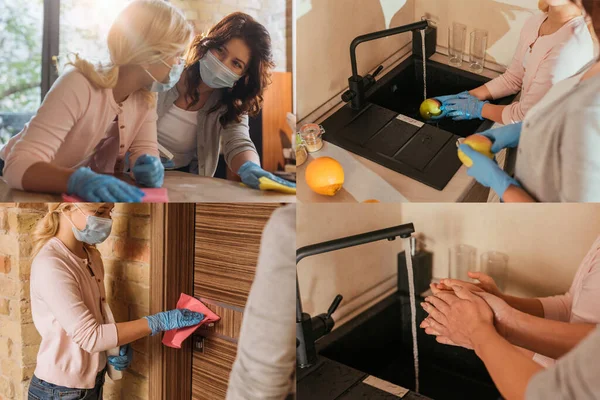
The principle also boosts productivity. When tools, documents, equipment, or materials are kept in their proper place, employees spend less time searching and more time completing tasks. A clean workplace encourages a professional image, increases confidence, and enhances satisfaction among clients, visitors, and employees alike.
Regardless of the industry, following a clean as you go policy promotes responsibility and the formation of good habits. Employees learn to maintain their workspaces and take ownership of cleanliness, rather than relying solely on cleaning crews to address messes.
Food preparation areas are the focal points of every kitchen, and this is where the clean as you go principle is most critical. During busy service periods, surfaces are splashed, chopping boards pile up, and tools are constantly exchanged. Failing to clean these areas as you work can lead to contamination spreading faster than most would expect.
So, what is clean as you go in practice? In food preparation, it means immediately wiping down surfaces after handling raw ingredients, especially meat and fish. It also includes changing chopping boards, washing knives, and using clean cloths rather than reusing dirty ones. The aim is to maintain a workspace that is ready for the next task—clean, organised, and safe.
A well-run kitchen puts these habits on autopilot. Employees automatically return tools and ingredients to their correct place, dispose of waste before it piles up, and follow clean as you go rules without reminders. Everyone contributes to a kitchen culture where safe food handling and hygiene maintenance are top priorities.
In the hospitality and restaurant industry, clean as you go in food industry practices extend beyond the kitchen. Front-of-house areas must also be kept tidy to maintain a professional appearance and protect patrons’ health. Spill-free, clutter-free tables and passageways are part of the toolkit servers use to sustain a clean and safe environment.
Within the kitchen, chefs and kitchen porters maintain operational flow. Chefs are responsible for their stations, while porters remove dirty dishes promptly to prevent backlog. This collaboration ensures efficiency during busy periods and helps kitchens comply with food safety regulations, maintaining high hygiene standards and food safety ratings.
Cafés, hotels, takeaways, and catering services all benefit from the clean as you go principle. It reduces stress, improves service speed, and allows staff to focus better. A smooth workflow keeps customers satisfied while maintaining a clean and safe workspace.
Contamination often occurs through small, seemingly insignificant events. For example, a knife used on raw chicken may touch salad ingredients, or leftover spills on a counter can transfer bacteria to a clean apron, cloth, or hands. Placing a chopping board on a damp or unclean surface can spoil vegetables or, worse, cause cross-contamination.
Clean as you go breaks these chains. Cleaning surfaces immediately after spills prevents bacteria from spreading. Washing equipment between tasks stops allergens from contaminating other foods. When spills are cleaned promptly, hands, gloves, and clothes remain cleaner throughout the shift.
Following the clean as you go rules reduces the risk of foodborne illnesses, which is the primary focus of the system. It also makes it easier for supervisors to maintain oversight because the kitchen remains clean and organised throughout the day. Clean as you go in food industry systems are not just for appearances—they are essential for preventing contamination and maintaining high food safety standards.
Really, clean as you go is more of a philosophy than a strict system because it is primarily a mindset. The philosophy encourages tackling messes as soon as they happen rather than letting them accumulate. Examples of this in daily kitchen tasks include washing dishes while something is still cooking, wiping down the counter when starting a new recipe, and removing packaging from food items to prevent clutter from building up.
Clean as you go workplace habits also emphasise organisation. Returning ingredients to their appropriate place allows for smooth function within the workspace, rinsing and placing used utensils in the sink saves time, and keeping cleaning supplies—such as cloths, bins, and sprays—within arm’s reach improves efficiency. This philosophy also has other benefits, including reducing the time spent working in a cluttered kitchen and supporting overall food hygiene clean as you go.
The clean as you go mindset promotes good kitchen and personal hygiene and helps prevent food contamination. These clean as you go best practices are particularly beneficial in commercial kitchens, where they contribute to operational flow and safety. Following these practices allows chefs to develop a rhythm and workflow that is both efficient and hygienic.
By adopting clean as you go workplace principles, kitchens can maintain a higher standard of cleanliness, improve safety, reduce stress, and ensure that food preparation areas remain organised and ready for use at all times.
One of the most important habits in any kitchen is how we deal with spills and messes. We never leave liquid spills, crumbs, or raw food drips to “sort out later.” This approach prevents accidents and stops the spread of dirt and bacteria. Another key habit is washing tools and equipment between every task. Knives, chopping boards, mixers, and utensils get dirty repeatedly, and keeping them clean ensures food safety when switching to a new task.
Planning is crucial. Keeping your workstation clutter-free, storing ingredients properly, and returning tools to their correct place all contribute to a cleaner and safer kitchen. When everything has a designated place, it is easier to focus and maintain cleanliness even during busy periods.
Regular removal of waste is another practice that is often overlooked. Bins should be emptied before they overflow, and food scraps need to be removed to keep the kitchen uncluttered, reduce distractions, and maintain a pleasant environment.
Using separate tools for raw and ready-to-eat foods is a core principle of clean as you go in food preparation. Colour-coded boards, tools, and gadgets help reinforce safe practices, particularly when the kitchen is busy. Alongside thorough handwashing between tasks, this habit reduces the risk of contamination.
Surfaces must be wiped and sanitised frequently—not just at the end of service. Work surfaces, fridge handles, and high-touch areas accumulate bacteria quickly. Regular sanitising maintains a safe and bacteria-free workspace.
Keeping clothes, sanitising sprays, gloves, and cleaning tools handy is also important. When supplies are easily accessible, cleaning becomes integrated into workflow, improving efficiency.
Temperature control and safe food storage are part of the importance of clean as you go culture. Organised fridges and freezers, proper food containers, and careful temperature monitoring keep food safe and reduce waste.
Communication is essential. In the culinary world, one person’s mess is everyone’s mess. Staff responsible for sharing tasks, monitoring hygiene, and spotting potential hazards create safer and cleaner work environments. Clean as you go is a culture and a shared commitment, not a single-handed effort.
To understand why is clean as you go important, consider how restaurants and other food service environments implement this approach. Busy kitchens require high hygiene and sanitation standards. Chefs, servers, bar staff, and porters must work together to keep food and customers safe. This practice keeps kitchens clean, improves workflow, and supports high Food Hygiene Ratings.

In mass food production environments, clean as you go in food preparation takes on even greater importance. Continuous cleaning ensures machinery hygiene, prevents allergens from mixing, and controls food contamination. It also protects staff from accidents caused by wet floors or machinery hazards.
Offices and non-food workplaces can also benefit. Clean as you go minimises clutter, reduces bacteria spread, and improves efficiency. In warehouses and industrial settings, it decreases the risk of accidents from misplaced objects or spills, enhancing safety for all.
Understanding how to implement clean as you go policy ensures these benefits are consistent. Staff should be trained on hygiene practices, designated cleaning responsibilities, and workflow integration. Regular monitoring, accessible cleaning supplies, and clear communication all reinforce the importance of clean as you go, creating an orderly, safe, and productive environment.
Clean as you go is more than just a standard of cleanliness—it is a mindset. Being tidy and organised is beneficial, but staying aware and addressing messes as they occur is far more valuable. This approach prevents minor problems from evolving into major issues. Ultimately, it is a more efficient and time-saving method, as workstations are maintained consistently rather than allowing them to degrade to a point where significant time and effort are required to restore order.
It also fosters a sense of responsibility. Employees tend to a workspace as if it were their own, reducing errors and promoting a positive workplace atmosphere. In the food industry, the culture of clean as you go contamination prevention supports safe and professional environments. Customers quickly notice and appreciate a well-maintained kitchen or service area.
As of 2025 and beyond, the clean as you go principle remains one of the most effective food safety practices. It protects customers, safeguards employees, and helps businesses comply with legal hygiene requirements. Beyond this, it contributes to a more seamless workflow, where cleaning is an ongoing part of operations rather than a task left until the end.
In a clean as you go restaurant, or any food service operation—whether a school kitchen, busy workplace, or home environment—consistent application of these practices raises cleaning standards, reduces incidents, and creates a more enjoyable and organised environment. Understanding how to implement clean as you go policy ensures that these standards are maintained effectively across all staff and shifts, reinforcing hygiene, safety, and efficiency.